Dock door count vs truck count: which one shows a plant is busy
A sole-source supplier tells you they're "running flat out" on the quarterly call. You want a number that either backs that up or doesn't. The instinct is to count something at the site: dock doors, trucks, trailers. The problem is these three counts measure different things, and mixing them up gets you the wrong answer.
Dock door count is a ceiling, not a signal
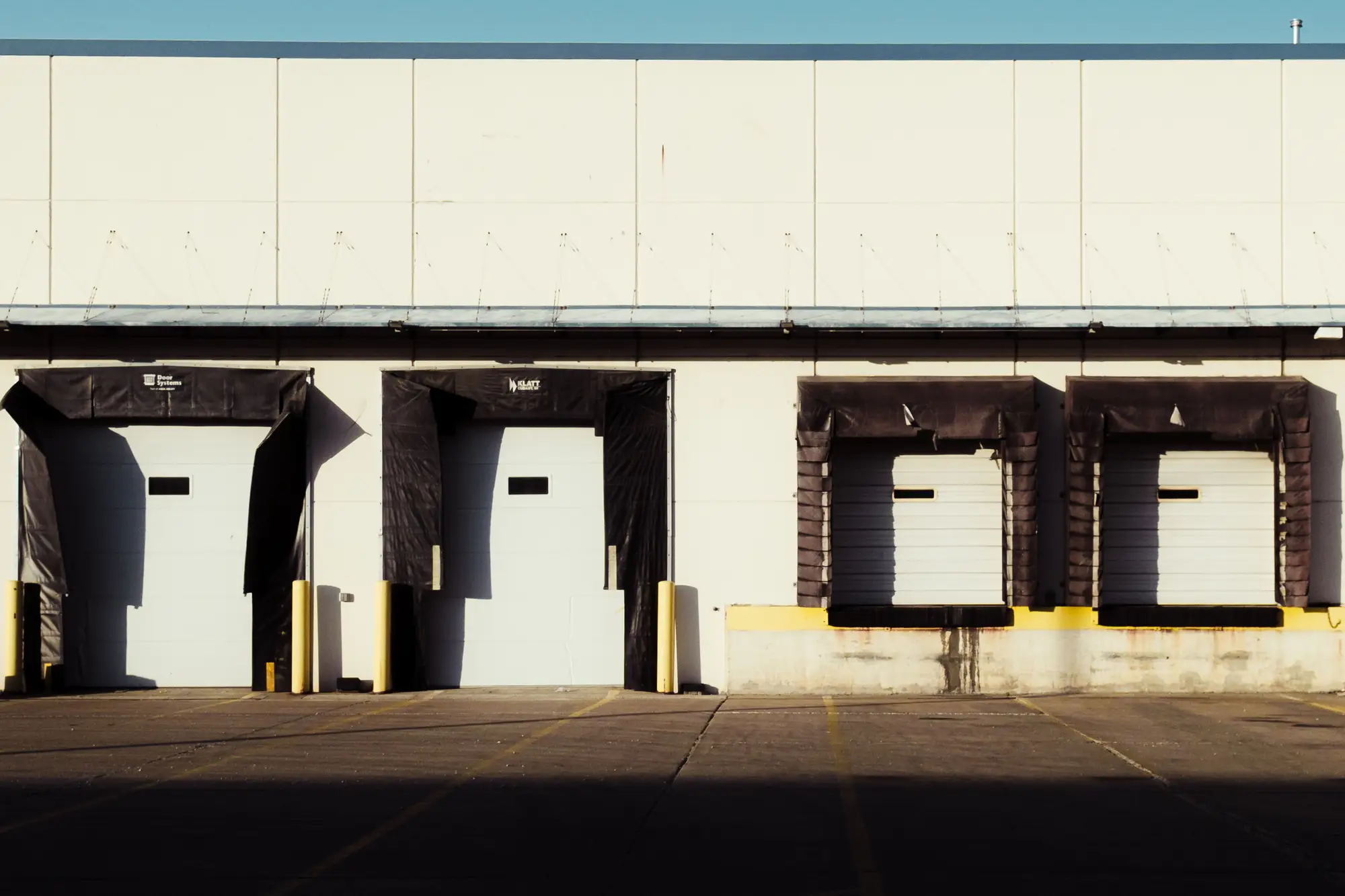
A plant with 40 dock doors has 40 doors whether it's running one shift or three. Door count is fixed capacity. Counting how many doors are active at a given moment tells you something about that moment, but it doesn't move much from week to week unless the site is physically expanding or mothballing bays. If you're trying to catch a change in how busy a supplier is right now, door count is the wrong place to look. It tells you what the plant could do at full tilt, not what it's doing this week.
Truck count without trailer count is noise
"Truck count" usually means counting tractors (the cabs that haul) sitting in the yard or lined up at the gate. That number swings with driver scheduling and carrier availability, not with how much product the plant is actually moving. A yard can show ten tractors overnight and forty loaded trailers staged for pickup the next morning. Count only tractors and you'd call that site quiet. Count the trailers and you'd call it backed up.
Trailer count, kept separate from tractor count, is the closer read on load. Trailers accumulate in a yard when outbound volume outpaces the pickups scheduled for that day. A plant that's normally clear by evening and is now holding trailers past dark is either producing more than its carriers can lift, or something downstream slowed and product is stacking up waiting on transport. Both are real signals. Neither shows up if you're only watching how many cabs rolled through the gate.
Parking lot activity is the third input, and it's the one most people skip
Employee and visitor parking at a plant moves with shift headcount in a way dock activity doesn't. A site that's added a weekend shift or gone to mandatory overtime usually shows it in the lot before it shows it anywhere else. Read on its own, a fuller lot could mean a lot of things: a training day, a safety meeting, a shift swap. Read alongside trailer counts climbing and dock doors staying active later into the evening, it stops being ambiguous. That's the pattern worth flagging to a category manager: trailer count, dock activity and parking lot fill all moving the same direction in the same week.
Reading them together each week
None of these counts alone tells you whether a supplier is flat out, coasting or sitting idle. Door count sets the frame for what's possible. Trailer count, not tractor count, shows whether product is moving at the pace the plant claims. Parking activity confirms whether the shift pattern backs that claim up.
A single site visit catches one of these at one point in time, which is why a quarterly walkthrough so often contradicts what the sales rep said on the phone two weeks earlier. Neither visit is wrong. They're just two snapshots of a site that moves week to week.
This is the gap Supplier Utilisation was built to close: a weekly read of a named supplier's yard, dock and parking activity, with the truck, trailer and parking counts behind each status, and a delta against the prior week, so you're working from a pattern instead of one site visit or one phone call.
If you're carrying a single-source supplier on your risk list and want more than their word for how busy that plant is, that weekly read is worth a look.