Notes from the yard
Blog
 Field notes: the renewal call where the sales rep's story and our read finally lined up
A category manager's notes from the renewal call where a supplier's capacity story finally matched the weekly yard read, and why that almost never happens.
 What is a supplier scorecard, and why plant utilisation rarely makes it onto one
A supplier scorecard grades delivery, quality and cost from transaction data. Here's why plant capacity rarely shows up on one, and what to use instead.
 Planned shutdown or real slowdown? Reading a supplier's yard right
How to tell a planned maintenance shutdown from a real capacity slowdown at a single-source supplier, using truck, trailer and parking activity.
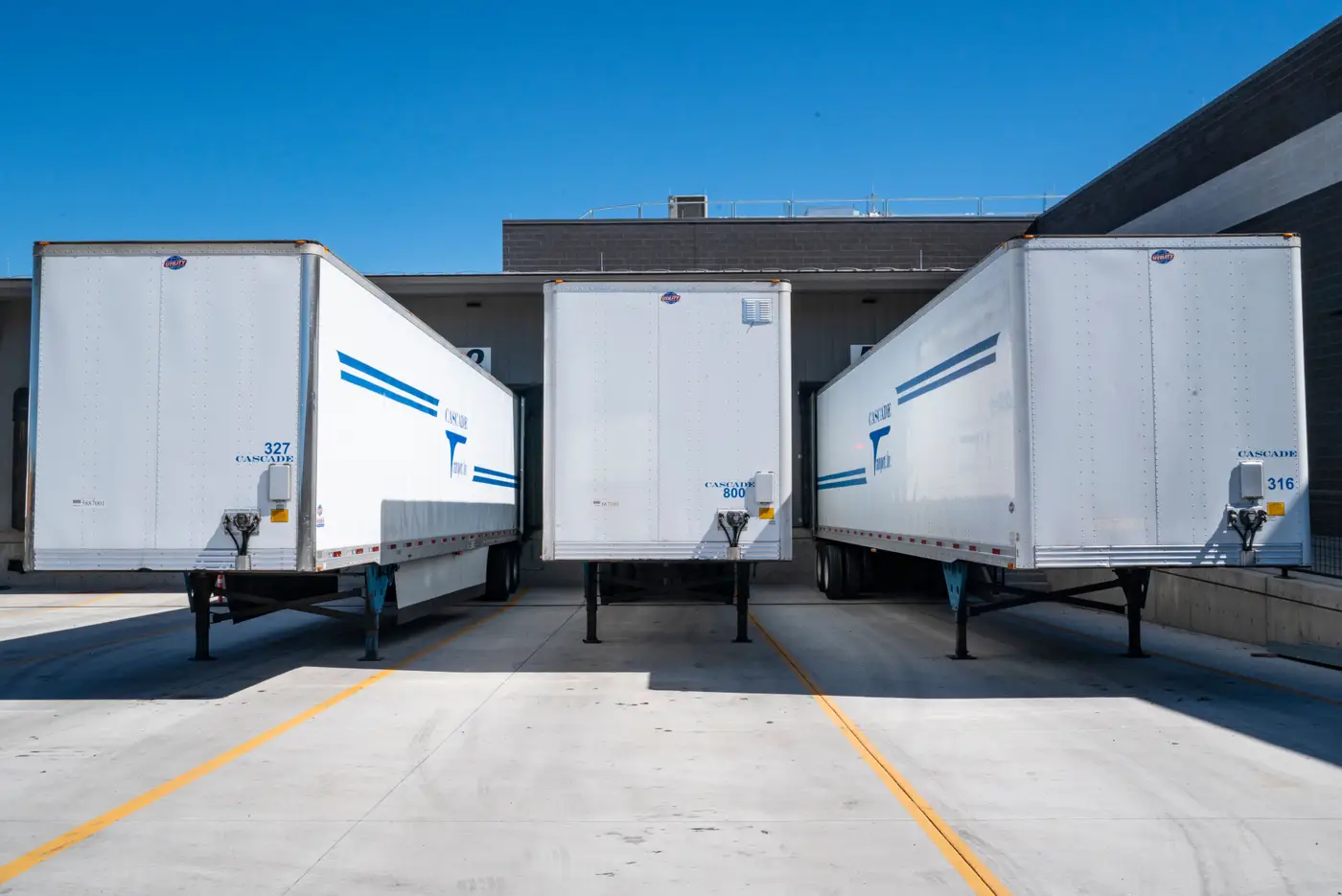 What a drop lot is, and why it skews a yard utilisation read
A drop lot full of trailers isn't a busy plant. Here's why trailer counts alone mislead a yard utilisation read, and what to check instead.
- Field notes: the supplier who kept saying "we're swamped" while the lot sat half empty
A category manager's note on the gap between what a single-source supplier tells you on the call and what the yard looks like that week.
- How many consecutive slack reads before you flag a single-source supplier at risk
A practical threshold for turning weekly plant status reads into a supplier escalation trigger, and the difference between slack and idle.
- Sole-sourced vs single-sourced: what the difference means for your risk flag
Sole source and single source get used interchangeably on risk registers. They flag different problems, and mixing them up skews mitigation priority.
- Capacity reservation agreements: the clause vs. the plant floor
A capacity reservation agreement pays for a slot in a supplier's schedule, not a guarantee the line isn't already maxed out. Here's the gap.
- Field notes: the week a supplier's yard outran its own forecast
A field-notes look at what happens when a supplier's yard activity outruns the forecast they submitted, and how to read the delta.
- How to tell inbound trailers from outbound trailers in a supplier's yard
Visual cues for separating inbound from outbound trailers in aerial yard shots, and why the split matters for reading supplier utilisation.
- What is a capacity cushion, and why do procurement teams ask suppliers for one?
A plain-language look at capacity cushions and capacity buffers in supplier contracts, and why self-reported spare capacity isn't enough on its own.
- How to spot a second shift at a supplier plant from parking lot counts
How to tell if a supplier plant has added a second shift just from parking lot and yard activity, without relying on what the sales rep tells you.
- Coasting plant vs idle plant: what the difference looks like from the yard
Coasting and idle get used interchangeably in supplier calls. Here's what actually separates them in yard, dock and parking activity.
- Dock door count vs truck count: which one shows a plant is busy
Dock door count, truck count and trailer count each tell you something different about a supplier's load. Here's what each one measures.
- How to build a watchlist for your riskiest single-source suppliers
A practical method for tiering sole-source suppliers by exposure and requalification time, so the watchlist gets worked weekly instead of filed away.
- How to tell if a supplier is overstating their spare capacity
Signs your supplier's "plenty of room" pitch doesn't match the yard. A practical read on verifying spare capacity claims before you commit volume.
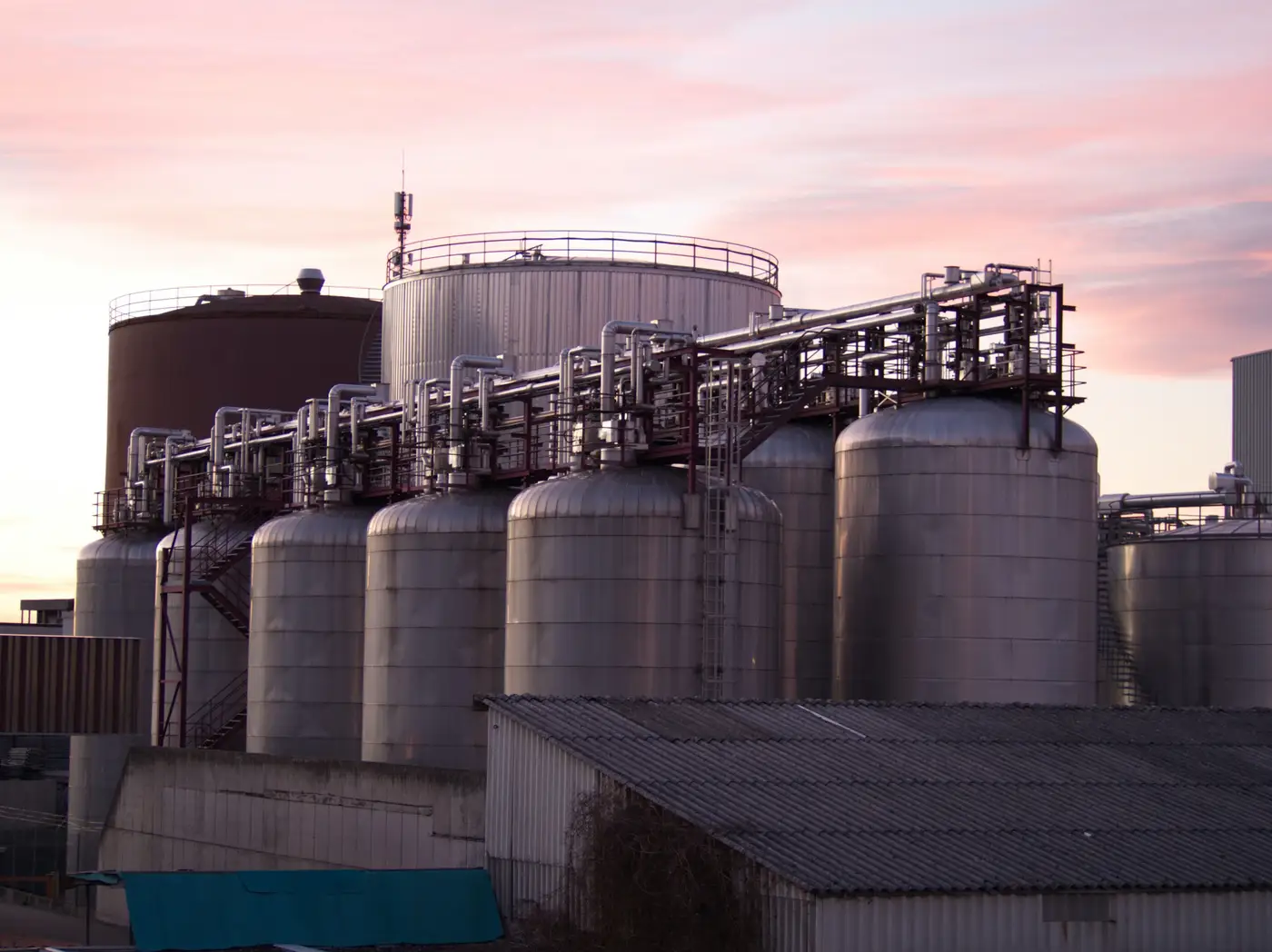 What an allocation letter actually tells you about supplier capacity
An allocation letter tells you a supplier is constrained. It doesn't tell you how constrained, or when that changes. Here's the gap.