Field notes: the renewal call where the sales rep's story and our read finally lined up
Every category manager has sat through this call. The supplier's account lead walks you through the quarter: demand is up, they're running three shifts, lead times are stretching because everyone wants in. It's the pitch before the renewal number lands, and it usually arrives a week or two before the number does. The timing is not an accident.
The story is rarely false outright. The trouble is you have no way to check it against anything except last quarter's story, which was also unverifiable, and the quarter before that. Utilization claims compound. By year three of a contract you're renewing against a narrative that nobody outside the supplier's own sales org has ever tested.
I got a different kind of renewal call last month. The rep opened with the same beats: strong bookings, a tight labor market, a plant running close to capacity. Nothing in it sounded rehearsed, exactly, but it sounded familiar, the way these calls always do. What was different is that I'd been watching a weekly read on that site for about four months, and for the first time the two things actually matched.
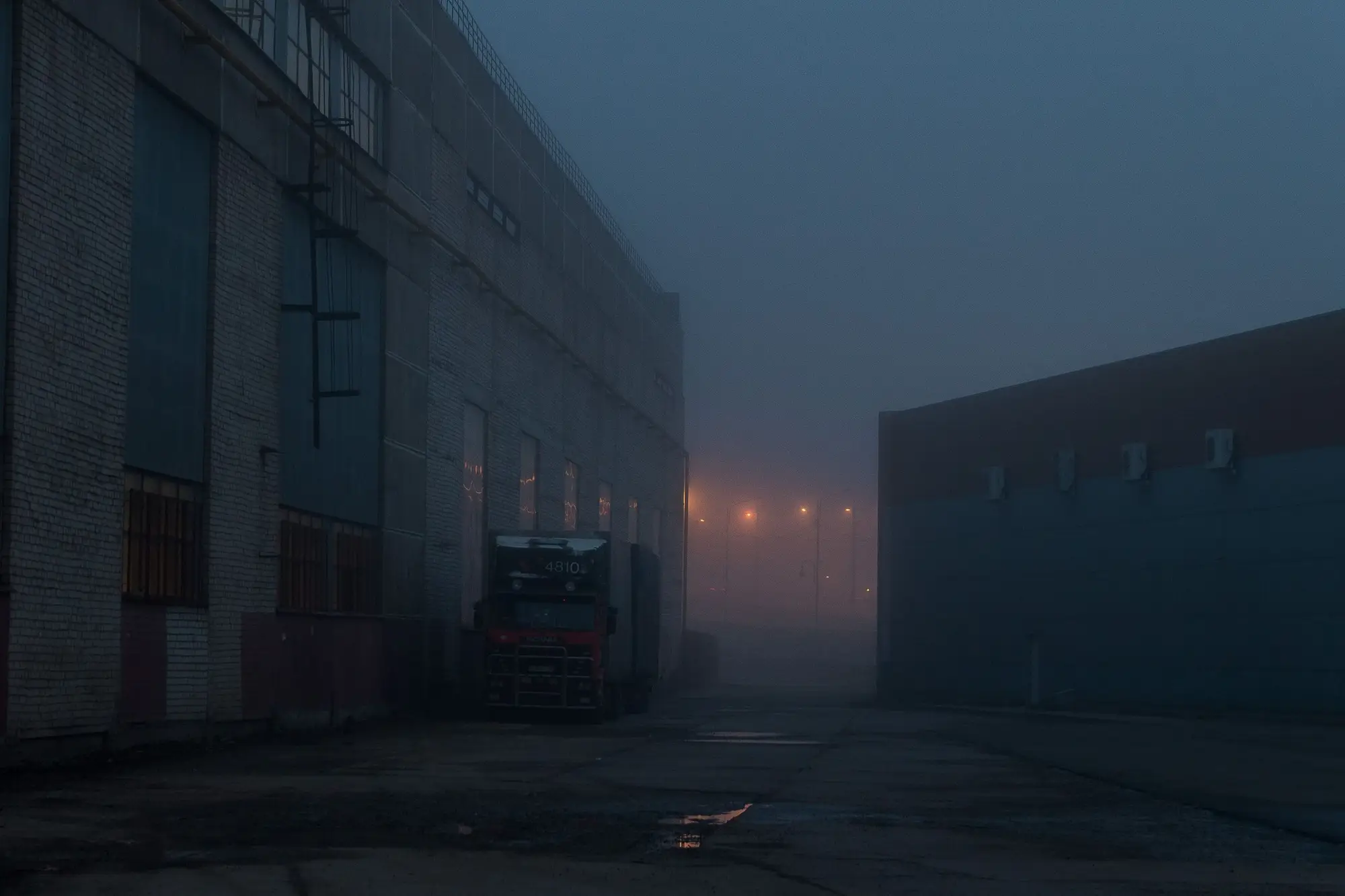
The trailer count had been climbing steadily for six weeks before the call. Parking at the plant had gone from the kind of half-empty you'd expect on a slow Tuesday to the kind that spills onto the shoulder. The status had moved from Steady to Flatout two reads earlier and hadn't dropped back since. None of that told me their yield or their margin or anything about the number they were about to ask for. But it told me the plant was doing what the rep said it was doing, which is a smaller thing than it sounds like and also the thing that almost never gets checked.
What struck me afterward was how rare that match is, once you have something to compare a pitch against. Most of the utilization stories I've sat through over the years have been directionally plausible and completely unfalsifiable, which is a comfortable place for a supplier to sit and an uncomfortable one for whoever has to sign the renewal. You end up negotiating against a story instead of a plant.
There's a second effect worth naming, because it changes how the call itself goes. Once a read has held steady for a few months, you stop asking the open-ended question, "how's capacity looking?" and start asking the specific one: "the lot's been full since September, when does that ease off?" That's a different conversation. It's harder for either side to drift into the generic version of the call, the one where everyone nods along and nobody learns anything they didn't already assume walking in.
None of this replaces due diligence on cost, quality, or lead time. A full parking lot doesn't tell you whether a supplier is profitable, or whether this is the quarter they finally invest in the second line they've been promising since the last renewal. What it does is take one variable out of the negotiation, the one that's historically been hardest to check short of driving out to the site yourself. The weekly plant status read Supplier Utilisation puts together from yard, dock, and parking activity is built for exactly that gap: a count of trucks, trailers, and parking you can hold up against whatever the rep says next.
I don't expect every renewal call to go this cleanly from now on. Most of them probably won't, since not every site runs flat out every quarter, and plenty of reps will keep saying theirs does anyway. But the next time someone opens with "we're slammed right now," it's worth having something on your screen that already told you that, a week or two before the call.
See what your named supplier's yard has been doing before the next renewal call lands.