Capacity reservation agreements: the clause vs. the plant floor
A capacity reservation agreement shows up in a lot of sole-source contracts as a short paragraph, sometimes labeled a "capacity reservation clause," sometimes folded into a broader supply agreement. The language usually says something like: the supplier will hold a defined volume, tonnage, or machine-hours of output available to you each period, regardless of whether you place an order against it.
What it buys you is a payment term, not insurance against the exact thing that keeps a category manager up at night: finding out your single-source supplier is running flat out and your next PO just got queued behind three other customers who also have a clause.
What the clause actually promises
A capacity reservation agreement is a commercial commitment between two legal entities. It says the supplier will prioritize your volume, or hold a line slot open, or (in the strongest versions) pay you a penalty if they can't fill it. What it doesn't say is anything about the supplier's order book on the day you need output. The clause describes an obligation on paper. It says nothing about how many other customers also have a clause, how the plant allocates when every reservation is called at once, or whether a machine's been down for three weeks and nobody's told you yet.
Procurement teams often treat a signed capacity reservation clause as the end of the risk conversation. It's really just the start of a different one: is this supplier over-committed across all its reserved customers, and how would you know before they tell you?
Take-or-pay vs. capacity reservation
The two get used almost interchangeably in supplier negotiations, and they're not the same mechanism.
Take-or-pay is a payment structure. You commit to pay for a minimum volume whether you take delivery or not, which gives the supplier revenue certainty. It protects the supplier's cash flow, not your supply.
Capacity reservation is supposed to run the other way: the supplier commits to keep a slice of output physically available to you, and you commit to pay for a portion of it regardless of whether you draw the full amount. In a well-drafted agreement, that's a real operational promise backed by a financial penalty if the supplier can't deliver.
In practice, a lot of what gets called a "supplier guaranteed capacity contract" is a take-or-pay agreement with capacity-reservation language bolted on for comfort. The enforceable part is the payment. The part about the line being open for you when you call is softer, harder to audit, and usually depends entirely on the supplier's word.
Why the paper and the plant floor disagree
A few reasons a reservation clause can sit in your contract file while the supplier is quietly maxed out:
Capacity gets sold more than once. A plant can write reservation clauses with several customers covering overlapping periods, betting that not everyone calls their full allocation at the same time. Most of the time that bet pays off. When it doesn't, allocation decisions happen inside the plant, not in your inbox.
Higher-margin orders jump the queue. If a bigger account or a rush job comes in, a site manager allocates capacity to protect the relationship that matters most to them that week, not necessarily the one with the oldest signature on file.
Downtime doesn't show up in the contract. Equipment failures, staffing gaps, and maintenance windows reduce real output below the reserved figure, and there's no clause that reports that to you in real time.
The usual way a buyer finds any of this out is a quarterly business review, a late delivery, or a rep's reassurance that "we're good." By the time any of those surfaces a problem, you're already behind in the queue.
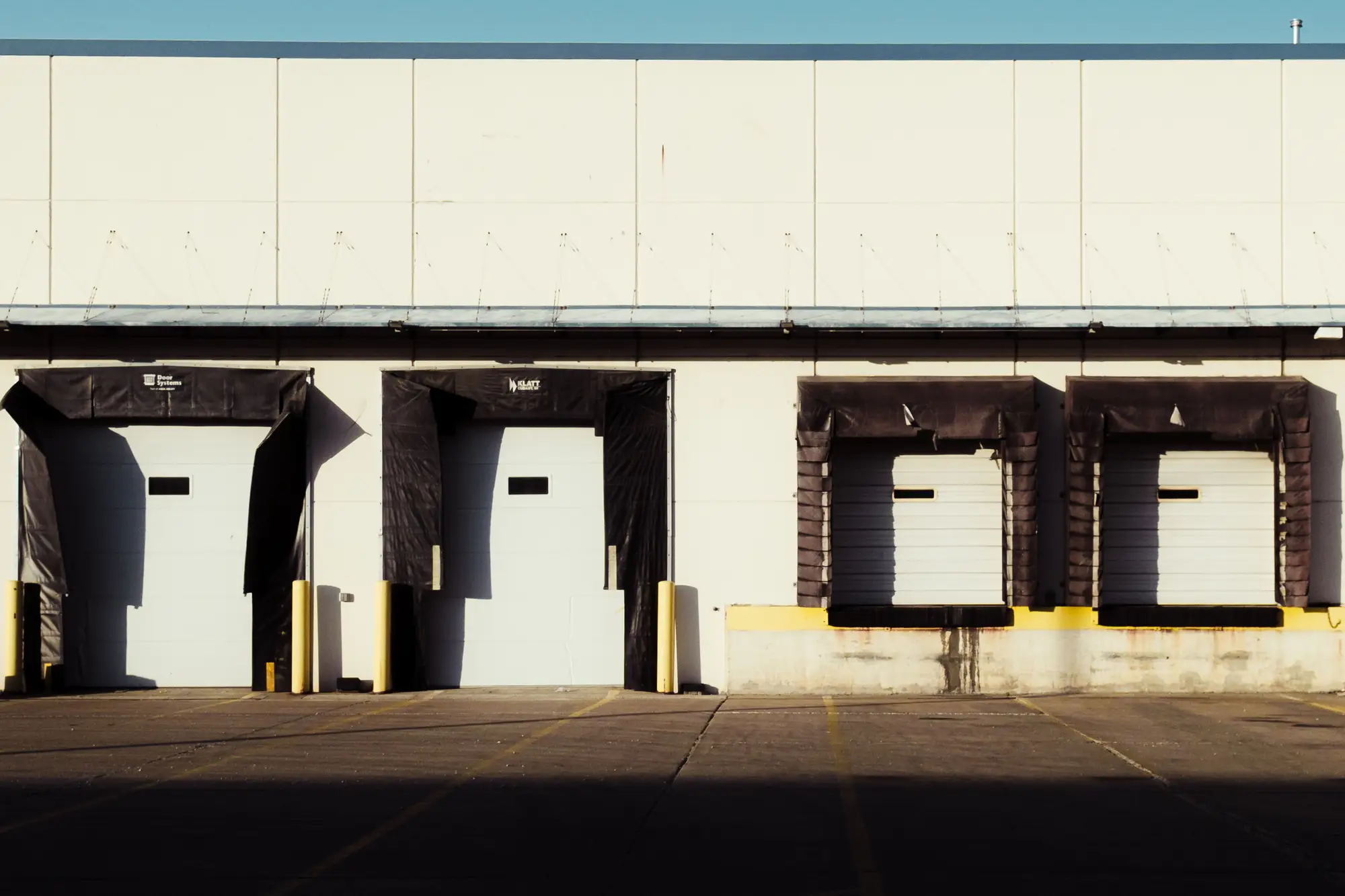
That's the gap a signed clause can't close on its own: it tells you what the supplier agreed to, not what's moving through their yard this week. Checking the physical signs of activity at a named site, truck counts, trailer counts, parking lot load, gives you a read on whether a supplier's running flat out that doesn't depend on their next QBR deck.
If you'd rather see that read than wait for the rep to volunteer it, Supplier Utilisation turns weekly yard and dock activity at a named supplier site into a plain status: flatout, steady, slack, or idle.