What a drop lot is, and why it skews a yard utilisation read
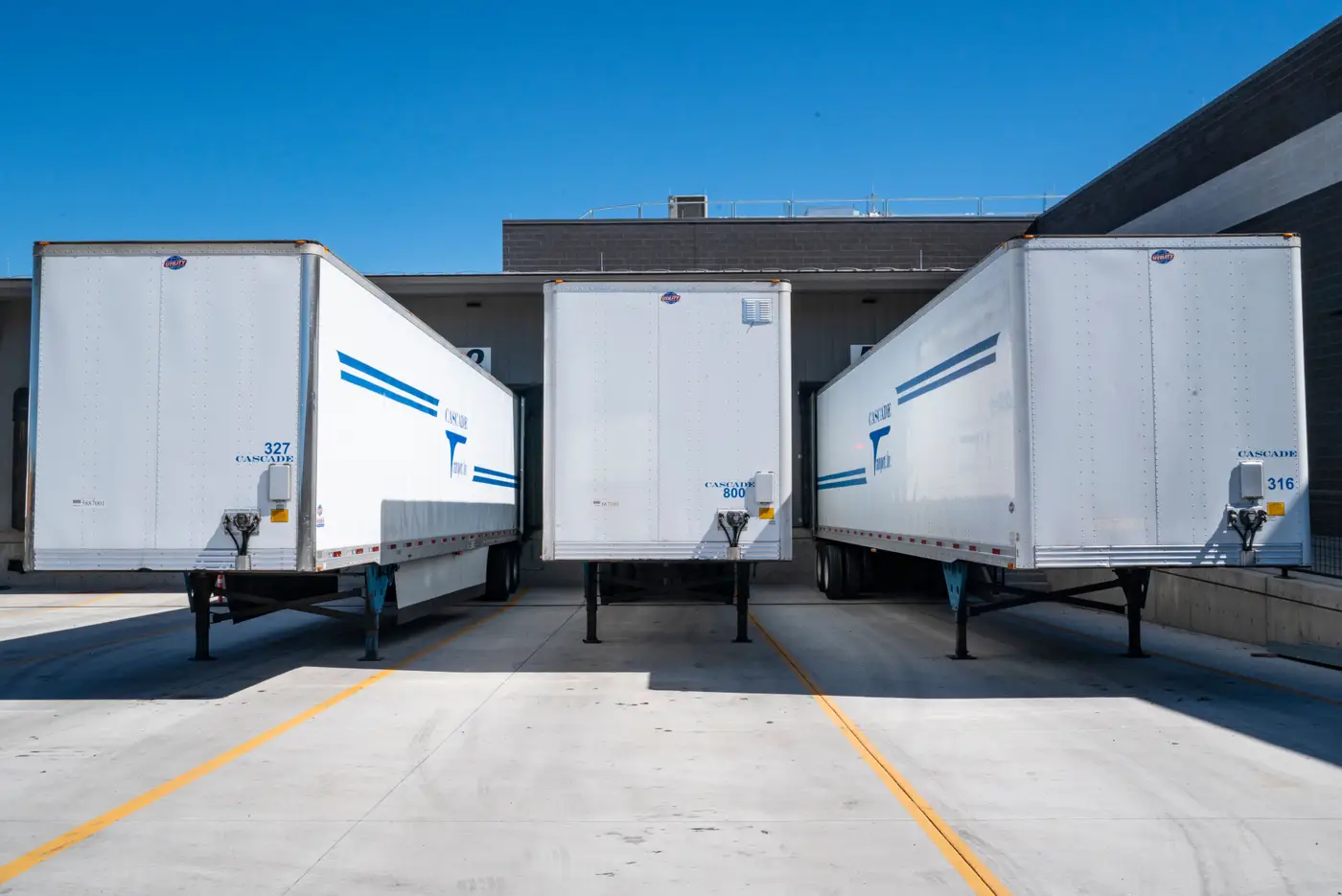
A drop lot is the part of a supplier's yard where trailers get parked and left, loaded or empty, without a truck waiting on them. A driver backs in, drops the trailer, hooks a different one, and leaves. Nobody's standing at a dock door. The trailer just sits there until someone's ready to load it, unload it, or send it back out.
That's different from a live unload, where the truck stays hitched and the driver waits at the dock while product moves on or off. Live unload ties up a tractor and a driver for the duration. A drop lot doesn't tie up anything except yard space and the trailer itself.
Here's where it matters for anyone trying to read a supplier's capacity from the outside. If you're counting trailers in a yard and treating a high count as a sign the plant is slammed, a drop lot will fool you every time.
Drop lot vs live unload: why the trailer sitting there doesn't mean much
A plant running a heavy drop-lot operation can carry forty, fifty, sixty trailers on site at any given moment, and most of them aren't moving. Some are preloaded finished goods waiting on a buyer's pickup window. Some are empties waiting for a return load. Some have been sitting three days because the next outbound slot isn't until Thursday. None of that tells you how fast product is actually moving through the dock doors.
Compare that to a site running mostly live loads and live unloads. Trailer count stays low because nothing parks for long. A tractor pulls up, backs to a door, the crew works it, and the whole unit leaves within the hour. You could watch that yard and see six or eight trailers total, cycling constantly, while the plant behind it is running full tilt on every shift.
Read the two sites side by side using trailer count alone and you'll get it backward. The drop-lot yard looks busy and might be coasting. The live-load yard looks quiet and might be flat out.
What a trailer count accuracy problem does to a utilisation read
This is the core of why raw trailer counts produce yard read errors. A single snapshot of "forty-two trailers on site" is not a capacity signal by itself. It needs context: how many of those trailers are at a dock door being worked right now versus parked in a storage row, how that number moves week over week, and what it looks like against truck traffic in and out of the gate.
A drop lot that's filling up week over week, with the same trailers sitting longer each read, usually means output is backing up, not accelerating. That's a slack signal, even though the yard photo shows more metal than it did a month ago. A drop lot that's thinning out, with fewer trailers parked and more turning over at the dock, usually means the plant cleared a backlog or picked up pace. Same yard, opposite story, and the raw count moves the wrong direction relative to what's happening.
Track trailer counts alongside dock activity and truck movement, and watch the trend rather than any single week's number. A yard with sixty parked trailers and zero dock activity reads very differently from a yard with sixty trailers and six doors working.
This is the gap between knowing a supplier has trailers on site and knowing whether that supplier's plant is running flat out, coasting, or close to idle. A weekly read that separates dock throughput from trailer storage is the only way to catch that difference before a sales rep's version of events does it for you.
If you're tracking a single-source supplier and tired of reading yard photos cold, that's exactly the gap Supplier Utilisation is built to close.