Coasting plant vs idle plant: what the difference looks like from the yard
A sales rep tells you the plant is "coasting a bit" this quarter. Three weeks later someone on your team mentions the same site sounds "basically idle." Those are not the same word, and if you're tracking a single-source supplier's capacity, the gap between them is the gap between a site that can still take your order next week and one that's shut the gate.
The four reads, plain and in order
Most people trying to describe a plant's activity reach for two or three loose terms. A cleaner way to think about it, and the way we score a site every week, is four states:
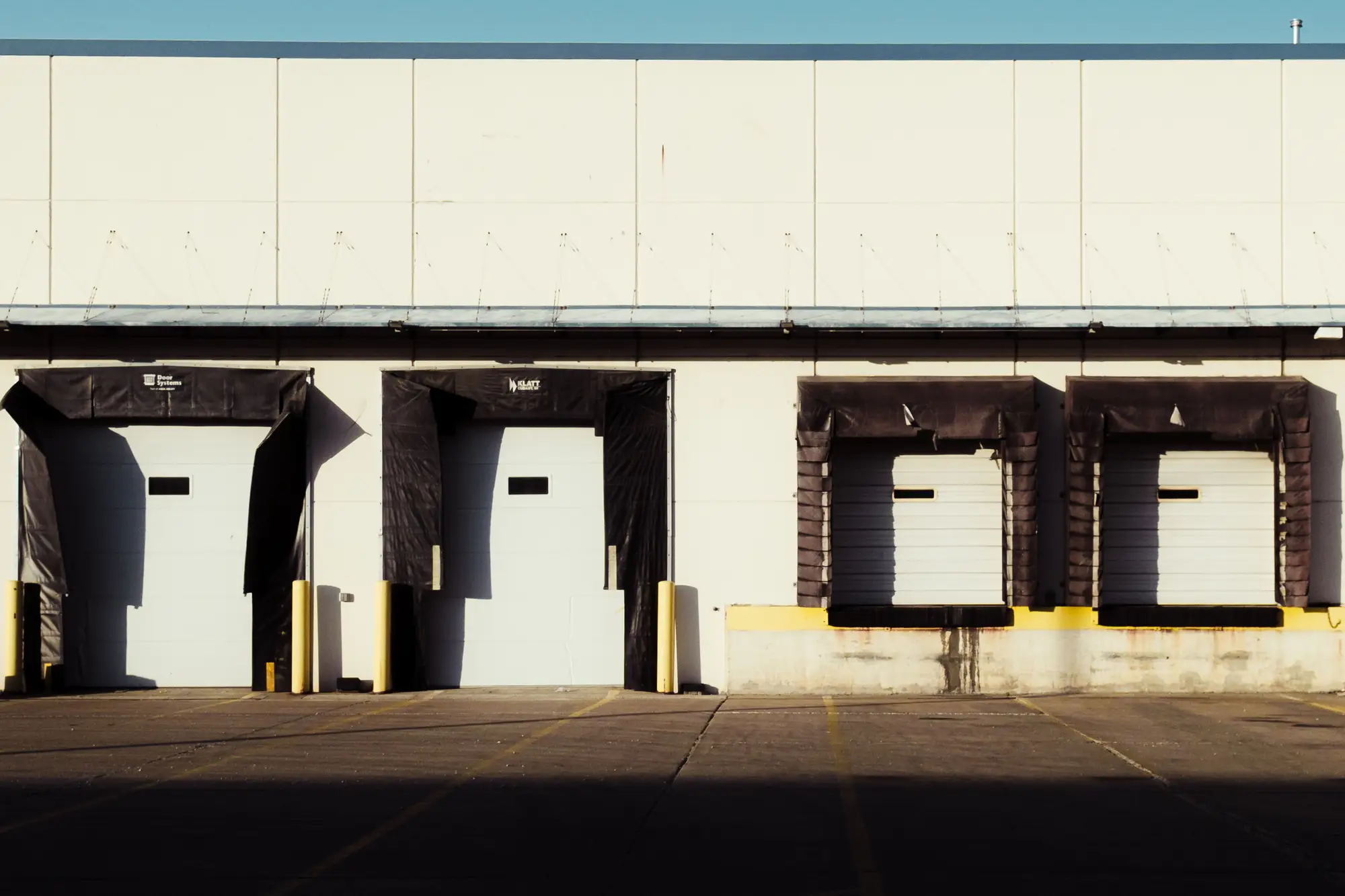
- Flatout: trucks queued, dock doors working, parking lot full. The site is running at or near its ceiling.
- Steady: normal weekday traffic. Trucks come and go at a regular pace, parking holds a consistent count, nothing unusual either way.
- Slack: activity is down from the site's own baseline. Fewer trucks, lighter dock use, parking running under its usual count. The plant is still working, just not at capacity.
- Idle: near-zero movement. Parking near empty, no dock activity, trucks absent across multiple consecutive reads.
"Coasting" sits outside those four labels. People reach for it when they mean Steady or Slack and don't have a sharper term handy. That's the actual root of the confusion: coasting describes a vibe, not a measured state, and it gets used to cover two different realities depending on who's saying it.
What idle actually means at a supplier site
Idle is the state that matters most to a category manager. It's the one that should trigger a phone call before the next PO goes out. A truly idle read means the parking count has dropped to near-zero, dock doors show no loading or unloading activity, and trailer counts in the yard have fallen off across the whole pattern of readings that week.
That's different from a single quiet Tuesday. A plant can post a slow day for all kinds of ordinary reasons: a holiday, a planned maintenance window, a weather delay on inbound freight. A single low reading is just a single low reading. Idle is a sustained state, which is why a weekly pattern tells you more than a one-off site visit or a single satellite pass ever could. You need the delta against the plant's own prior weeks, not a snapshot compared to nothing.
Coasting vs slack: the distinction that actually matters to you
If a rep says the plant is coasting, ask what they mean. The two things that word could cover sit on opposite sides of a planning decision.
If the plant is Steady, nothing in the underlying capacity picture has changed. Traffic is normal, the site has room to flex up if you place a larger order, and there's no reason to treat the relationship any differently than last quarter.
If the plant is Slack, something has already changed: truck counts down, dock activity down, parking under baseline. That's worth asking about before you lean harder on that supplier. Slack is the state that tends to sit just ahead of Idle, which is exactly why a procurement team tracking a single-source site wants to see it in the week it shows up rather than hearing about it secondhand once volumes have already slipped.
The practical value of separating these four states instead of nodding along to "coasting" is that Slack gives you lead time. A plant that's gone from Steady to Slack over two or three consecutive weekly reads is telling you something before anyone picks up the phone to tell you themselves.
That's the whole point of reading the yard directly instead of relying on what a supplier chooses to say about their own capacity. A weekly status read built from truck, trailer and parking counts gives you Flatout, Steady, Slack or Idle for a named site, with the count behind the label and the change from last week, so you're not left guessing which word someone means when they use "coasting" as a catch-all.
If you've got a single-source site where the wrong guess costs you, that weekly read is worth putting in front of it.