Sole-sourced vs single-sourced: what the difference means for your risk flag
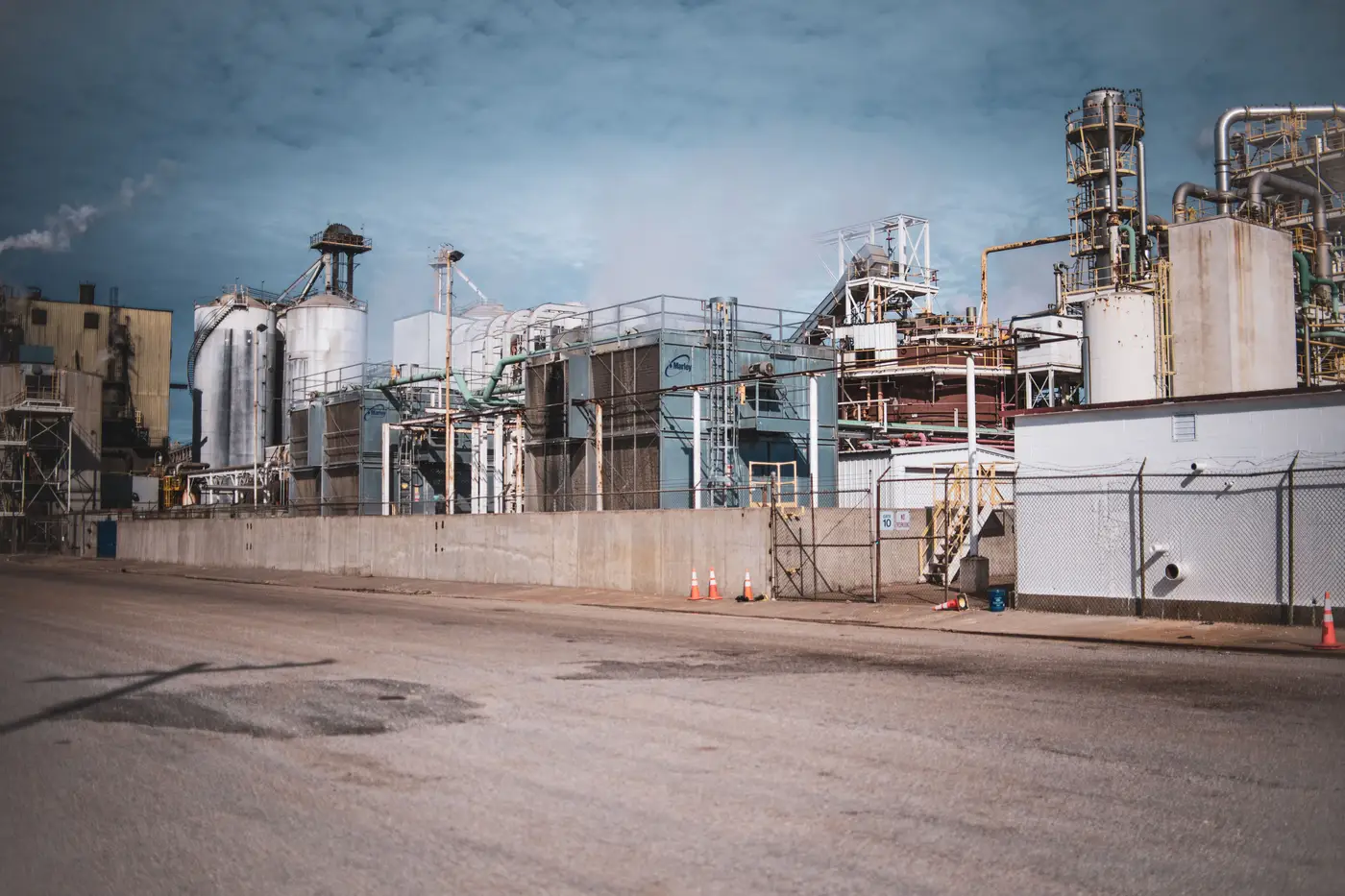
Pull up most supply risk registers and you'll find "sole source" and "single source" used as if they mean the same thing. They don't, and tagging a line the wrong way sends the mitigation plan in the wrong direction.
A sole source supplier is the only one capable of making the part, full stop. Patented process, proprietary tooling, a casting die that only exists in one plant, a chemical formulation locked to one producer's process. Nobody else can step in even if you wanted them to and had the budget to pay for it.
A single source supplier is the only one you're currently buying from, but not the only one who could do the work. Other capable suppliers exist in the market. You just haven't qualified a second one, whether that's because volume didn't justify it, qualification costs money and time, or the incumbent has simply never given you a reason to look elsewhere.
That distinction changes what "single source vs sole source" means for procurement, not just for the glossary.
Why the register treats them differently
Sole source risk is structural. You can't engineer it away by RFQ-ing the market, because the market doesn't have a second answer. Mitigation looks like safety stock, long-term agreements with volume commitments, or in the worst cases a redesign to get off the part entirely. You monitor the one supplier you have and you build buffer, because there's no "next option" to fall back on.
Single source risk exists because procurement never qualified a second supplier, usually because qualification costs money and time that volume never justified. Qualifying an alternate fixes it, but that cost is exactly why it hasn't happened yet. This is the category where most of your dual-sourcing projects live, and it's also where a risk register tends to understate the exposure, because "we could qualify someone else" reads as lower risk than it behaves in a real disruption.
Where teams get the tag wrong
The most common error is mechanical. Engineering writes "sole source" on the BOM because that's the part number that's approved, and procurement copies the tag straight into the risk register without checking whether it's true commercially. Three other machine shops could run that spec tomorrow. Nobody's just bothered to qualify one, so the register calls it sole source when it's really single source with an unqualified bench behind it.
That mislabeling matters because it changes priority. A true sole source line should sit near the top of any capacity-risk watch list, because there's genuinely nowhere else to go if the line goes down. A mislabeled single source line gets the same treatment and soaks up attention a qualification project would solve more durably, usually for less money than carrying extra safety stock indefinitely.
What the flag should trigger next
Once a site is correctly tagged single source on the register, the useful next question isn't whether an alternate exists on paper. It's whether the supplier you're already leaning on has room to take more of your volume if a second plant goes down elsewhere in your base, or whether they're already running close to the edge themselves, which would make a dual-sourcing project just a way of swapping one point of failure for another.
That's a capacity question, and it rarely shows up in a QBR deck until a sales rep needs it to. Supplier Utilisation was built for exactly that gap: a weekly read on whether a named supplier's yard, dock and parking activity looks like flatout, steady, slack or idle, so you know if the single source you're depending on has headroom before you commit more volume to it.
Get the sole-source/single-source split right on the register first. Then check whether your single source actually has anything left in the tank.